Property leadership resource

Florida condominium and HOA oversight guides.

A practical reference for Florida condominium and HOA leaders who need to organize records, ask sharper questions, and create visible follow-through around operations, finances, vendors, and resilience.

By · Publisher: TRUSTPOINT STRATEGIC SOLUTIONS Published Updated

Illustrative scene: Property leaders organizing records for an informed Tampa Bay decision
How to use this guide

Start with the decision—not the document pile.

The most useful oversight does not begin by reviewing everything. It begins by naming the decision leadership must make, then collecting only the records and observations needed to support it.

A board considering a vendor renewal needs a different evidence set than a board preparing for a major repair, addressing a reporting concern, or evaluating management performance. The same principle applies in every case: separate verified facts from assumptions, identify what remains unknown, and assign an owner and date to each next step.

4 lensesGovernance · operations · finance · risk
1 ownerFor every agreed action
1 dateFor every follow-up
Decision framework

Four lenses for an independent review.

Use these lenses together. A vendor or financial issue can be real while also revealing a governance, process, documentation, or resilience gap.

01

Governance

Clarify decision rights, meeting records, delegated authority, conflict disclosures, policies, and whether leadership receives information early enough to act. Ask who can decide, who must be consulted, and how the decision will be recorded.

02

Operations

Compare written responsibilities with the actual work: maintenance response, recurring inspections, resident communication, project handoffs, staffing coverage, and escalation. A reliable process should have a visible owner, cadence, and evidence of completion.

03

Financial controls

Connect budgets, variances, invoices, contracts, reserves, and forecasts to the decisions they support. Focus on material changes, recurring exceptions, unsupported assumptions, and the action needed when actual results differ from plan.

04

Risk and resilience

Test readiness for severe weather, critical vendor failure, staff turnover, insurance documentation, major repairs, and loss of records. The question is not whether disruption is possible; it is whether responsibility and communication are ready when it happens.

Florida condominium dashboard

Reference figures worth tracking.

A compact view of state-reported activity and statutory timing. Use it to frame questions, then confirm how current law applies to the specific association and building.

10 years

SIRS cycle

Residential condominium buildings subject to the requirement must complete a Structural Integrity Reserve Study at least once every ten years.

Florida Statutes §718.112
45 days

Owner notice and reporting

After receiving a SIRS, an association generally has 45 days to provide the study or availability notice to owners and report completion to the Division.

Florida Statutes §718.112
25+ units

Online records threshold

Florida’s condominium guidance lists digital records that associations operating 25 or more units must make available online.

Florida DBPR records guidance
+44%

Annual complaint growth

DBPR condominium complaints rose from 2,678 in fiscal year 2023–2024 to 3,863 in 2024–2025.

Florida DBPR complaint data

Sources reviewed October 3, 2026. The percentage is calculated from DBPR’s published annual totals. This dashboard is educational and does not replace legal, engineering, reserve-study, accounting, or insurance advice.

Operational audit guide

See what an independent property review should actually test.

Use the checklist to identify warning signs, define a proportionate evidence request, examine six operating areas, and turn findings into accountable corrective action.

The guide is designed for condominium and HOA boards, owners, and management leaders who need to distinguish an isolated problem from a wider process, resource, contract, reporting, or continuity gap.

  • Six signals that justify independent verification
  • Maintenance, staffing, vendor, reporting, financial, and risk review areas
  • A six-step preparation and evidence sequence
  • A decision-ready format for findings and closure
Illustrative scene: Property operations executive and facilities specialist inspecting rooftop drainage at a Tampa Bay condominium
Find a resource

Explore the full guide library.

Search a topic or choose a decision area to find the most relevant checklist, dataset, or planning tool.

63 resources shown

Essential operating guides

Start with the recurring board decisions.

These seven guides connect everyday oversight to a clear record, an accountable owner, and the next decision.

Illustrative scene for HOA & Condo Board Meeting Checklist01

Board meeting checklist

Prepare agenda decisions, test the evidence, and carry actions into the next meeting.

Open the meeting guide
Illustrative scene for HOA & Condominium Financial Oversight Checklist02

Financial oversight

Read budget variances, cash, reserves, commitments, and corrective actions together.

Open the finance guide
Illustrative scene for Property Management Transition Checklist03

Management transitions

Transfer records, authority, contracts, open work, and resident commitments with proof.

Open the transition guide
Illustrative scene for Resident Service Request Triage Guide04

Resident service requests

Track intake, triage, ownership, update cadence, escalation, and verified closure.

Open the request guide
Illustrative scene for Property Storm Readiness Checklist05

Storm readiness

Check critical systems, vendors, contact paths, decisions, and recovery evidence.

Open the storm guide
Illustrative scene for Property Vendor Review Checklist06

Vendor controls

Compare agreed service with field evidence, invoices, exceptions, and renewal options.

Open the vendor guide
Illustrative scene for Property Capital Project Oversight Checklist07

Capital projects

Control scope, procurement, funding, field progress, changes, and acceptance.

Open the capital guide
New board resource

Prepare the decision before the meeting.

A concise packet gives directors a consistent view of the facts, options, authority, and follow-up.

Illustrative scene for Condo Board Packet Template and Decision Brief23

Board packet and decision brief

Prepare decisions with an 18-check packet covering evidence, options, authority, meeting record, and follow-through.

Open the board packet guide
Decision guides and open data

Build the operating plan behind the board decision.

Four focused resources extend the library from diagnosis to implementation, with practical sequences, evidence requirements, and on-page metric definitions.

Illustrative scene for Florida Condo Reserve Study Action Plan07

Reserve study action plan

Validate study scope and assumptions, reconcile funding, sequence projects, assign owners, and build a practical 90-day roadmap.

Open the reserve planning guide
Illustrative scene for Florida Condo Insurance Renewal Checklist08

Insurance renewal readiness

Organize valuations, inspections, claims, mitigation evidence, proposal terms, deductibles, and a 120-to-150-day renewal workflow.

Open the insurance guide
Illustrative scene for HOA Preventive Maintenance Plan Checklist09

Preventive maintenance planning

Connect assets, tasks, frequencies, ownership, work orders, findings, escalation, and proof of completion in one operating system.

Open the maintenance guide
Illustrative scene for Property Management KPI Library for HOA Boards10

Property oversight KPI library

Use 24 documented governance, operations, finance, vendor, risk, and project metrics, available as open CSV and JSON data.

Explore the KPI library
Governance tools

Strengthen selection, risk, and record control.

Three resources provide filterable frameworks for management procurement, integrated property risk, and reliable records governance.

Illustrative scene for Property Management Company Selection Scorecard11

Management company selection scorecard

Compare 36 criteria across governance, operations, staffing, finance, technology, service, fees, contracts, implementation, and transition.

Open the selection scorecard
Illustrative scene for Property Risk Register for HOA & Condo Boards12

Property risk register

Use 61 risk prompts with indicators, evidence, controls, owners, cadence, and escalation triggers across the property environment.

Explore the risk register
Illustrative scene for HOA & Condo Property Records Control Guide13

Property records control

Map authoritative sources, owners, access, retention basis, quality checks, requests, exports, transitions, and defensible disposition.

Open the records guide
Planning and resilience tools

Control the calendar, the comparison, and the message.

Three open datasets help property leaders prepare recurring decisions, normalize vendor proposals, and coordinate communication before, during, and after an emergency.

Illustrative scene for HOA & Condo Board Governance Calendar14

Board governance calendar

Plan 35 budget, finance, contract, insurance, project, records, risk, transition, and recurring oversight actions with owners and escalation triggers.

Explore the annual calendar
Illustrative scene for Property Vendor Bid Comparison Matrix15

Vendor bid comparison matrix

Normalize 59 scope, price, capability, risk, service, implementation, contract, and selection criteria before scoring competing proposals.

Open the comparison matrix
Illustrative scene for Property Emergency Communications Plan16

Emergency communications plan

Map 36 audience, channel, ownership, evidence, accessibility, testing, event, recovery, and closeout controls in one operational template.

Build the communication plan
Accountability and closeout tools

Carry decisions through reporting and verified completion.

Six open datasets connect formal board direction, recurring management evidence, and the technical, documentary, and commercial controls required at project turnover.

Illustrative scene for Board Decision & Action Register Template17

Board decision and action register

Control 40 governance, finance, operations, vendor, project, risk, records, communication, transition, and compliance decisions through verified closure.

Build the decision register
Illustrative scene for Monthly Property Management Report Template18

Monthly management report

Define 40 board-ready report lines across decisions, finance, operations, vendors, people, residents, risk, projects, records, technology, and data quality.

Design the monthly report
Illustrative scene for Capital Project Closeout Checklist19

Capital project closeout

Coordinate 58 controls for punch lists, permits, commissioning, asset data, warranties, training, access, commercial reconciliation, and final acceptance.

Open the closeout checklist
Illustrative scene for Post-Storm Recovery Decision Log for Florida Properties20

Post-storm recovery decision log

Assign 26 safety, damage, insurance, vendor, finance, communication, and closeout actions with clear evidence and escalation triggers.

Open the recovery log
Illustrative scene for Vendor Contract Renewal Tracker for Condos & HOAs21

Vendor contract renewal tracker

Use 30 controls to verify deadlines, service evidence, costs, alternatives, authority, and the handover after a renewal decision.

Open the renewal tracker
Illustrative scene for Capital Project Change Order Register22

Capital project change order register

Control 25 steps from field request through scope, pricing, schedule, approval, execution, and verified closeout.

Open the change order register
New planning guides

Prepare the budget, document a loss, and keep residents informed.

Three distinct workflows connect financial choices, property-loss evidence, and everyday service communication to practical board and management action.

Illustrative scene for Condo and HOA Annual Budget Planning Guide25

Annual budget planning

Build the operating plan from services, commitments, reserves, scenarios, and cash timing with a 24-check evidence worksheet.

Plan the annual budget
Illustrative scene for Property Insurance Claim Documentation Guide26

Insurance claim documentation

Keep safety, damage evidence, temporary work, insurer requests, costs, and repair decisions traceable with 24 controls.

Organize the loss record
Illustrative scene for Resident Communication Standards for Properties27

Resident communication standards

Give requests and disruptions a clear owner, verified update, accessible channel, escalation path, and proof of closure.

Improve resident updates
Planning dependencies

Connect building safety, cash timing and system recovery

Illustrative scene for Florida Milestone Inspection Coordination for Condo Boards

Florida Milestone Inspection Coordination for Condo Boards

Coordinate the building file, local inspection notice, qualified professionals, owner communication, repair decisions and evidence of completion.

Illustrative scene for HOA and Condominium Cash Flow Planning

HOA and Condominium Cash Flow Planning

Build a rolling cash forecast from available balances, collection timing, committed payments and separate reserve purposes before approving expenditure.

Illustrative scene: a property IT administrator testing records recovery with a backup appliance

Property Digital Continuity and Records Recovery

Map critical property systems, test record exports and restoration, confirm backup owners and prepare usable alternatives during a portal or vendor outage.

Board-ready data

The essential record set.

Before a high-stakes discussion, create a single indexed folder with the relevant current and historical documents. A concise evidence register makes it easier to see what is present, missing, disputed, or still awaiting verification.

Governance records

  • Declaration, bylaws, articles, rules, and amendments
  • Current board and committee roster
  • Minutes, resolutions, action logs, and annual calendar
  • Conflict disclosures, approval authorities, and key policies

Financial records

  • Adopted budget, year-to-date actuals, and variance explanation
  • Reserve information and capital-project forecast
  • Bank reconciliations, aging reports, and material invoices
  • Prior financial reports and open corrective actions

Vendor and project records

  • Executed agreements, scopes, amendments, and renewal dates
  • Bids, insurance certificates, service logs, and change orders
  • Performance issues, notices, meeting notes, and response history
  • Project milestones, permits, warranties, and closeout records

Resilience records

  • Emergency contacts, continuity plan, and communication templates
  • Inspection reports and repair-status documentation
  • Insurance declarations, claims log, and mitigation records
  • Critical-system inventory and vendor mobilization plan
90-day oversight cadence

A manageable rhythm for visible accountability.

  1. Weeks 1–2: FrameName the decision, the property impact, the accountable sponsor, and the questions the review must answer. Create a short evidence register rather than requesting documents without a purpose.
  2. Weeks 3–4: VerifyCompare records with contracts, financial reporting, walkthrough observations, and stakeholder accounts. Mark each item as verified, disputed, incomplete, or outside scope.
  3. Weeks 5–6: PrioritizeRank issues by life safety, legal or contractual exposure, financial impact, service disruption, and reversibility. Separate immediate controls from longer-term improvements.
  4. Weeks 7–8: DecideDocument the board or owner decision, delegated authority, budget implications, dependencies, and the evidence required before work can begin.
  5. Weeks 9–10: ImplementAssign one owner for each action, establish dates and reporting cadence, and define the practical proof that the action is complete—not simply started.
  6. Weeks 11–12: ReassessReview progress, unresolved risks, scope changes, and new information. Close completed items, reset overdue work, and retain the decision record for the next leadership cycle.
Questions that reveal the real issue

Ask for evidence, ownership, and timing.

Useful oversight questions make vague concerns actionable. They do not assume wrongdoing; they surface the information leaders need to decide fairly and quickly.

  • What outcome or service level was agreed, and where is it documented?
  • What evidence shows the work was completed to that standard?
  • What has changed since the budget, scope, or plan was approved?
  • Who is accountable for the next action, and by what date?
  • What must happen if that date or standard is missed?
  • Which risk becomes more costly or difficult to reverse if we wait?
  • What information would materially change the decision?
A practical reporting format

Keep each item decision-ready.

For every material issue, use a one-page brief with five fields:

  • Fact: What records or observations confirm
  • Impact: The operational, financial, or stakeholder consequence
  • Decision: The approval, direction, or escalation required
  • Owner: One person responsible for follow-through
  • Due date: When the next proof of progress is due
Discuss a focused review
Florida reference points

Regulatory context to monitor.

Association obligations vary by property type, governing documents, building characteristics, and the facts of the matter. The resources below are useful starting points for boards and owners, but they are not legal, accounting, engineering, reserve-study, or insurance advice.

For the current statutory text and official program information, consult the Florida Condominium Act (Chapter 718), the Homeowners’ Association Act (Chapter 720), and the Florida Department of Financial Services’ property insurance and condominium program updates. Laws and programs change; obtain appropriate professional advice for a property-specific decision.

Official reference directory

Start with current primary sources.

These links are public reference points for Florida property leaders. They are provided for research only and do not imply affiliation, endorsement, certification, or directory membership.

Practical operating methods

Operational details and follow-through

Twelve guides connect day-to-day evidence to clear approvals, reliable service and verified completion. Each includes a worked example, frequently asked questions and a on-page 12-control checklist.

Illustrative scene for Tampa Bay Property Data Dashboard

Tampa Bay Property Data Dashboard

Use 117 sourced observations with explicit geography, periods, interpretations and on-page formats.

Explore regional data and sources

Illustrative scene for Property Operational Audit Checklist for HOA & Condo Boards

Property Operational Audit

Establish the operating baseline and use the evidence checklist before investigating repeated service or reporting gaps.

Start the operational review

Illustrative scene for Property Invoice Approval and Payment Controls

Property Invoice Approval and Payment Controls

Trace every property payment from approved scope to verified delivery, invoice review, payee validation and bank reconciliation.

Read the guide and use the checklist

Illustrative scene for Property Vendor Onboarding and Mobilization

Property Vendor Onboarding and Mobilization

Verify vendor identity, contracted scope, prerequisites, site access and service acceptance before a new supplier begins work.

Read the guide and use the checklist

Illustrative scene for Property Staff Coverage and Knowledge Handover

Property Staff Coverage and Knowledge Handover

Map critical duties, trained backups, escalation routes and handover evidence so absence or turnover does not leave essential property work unowned.

Read the guide and use the checklist
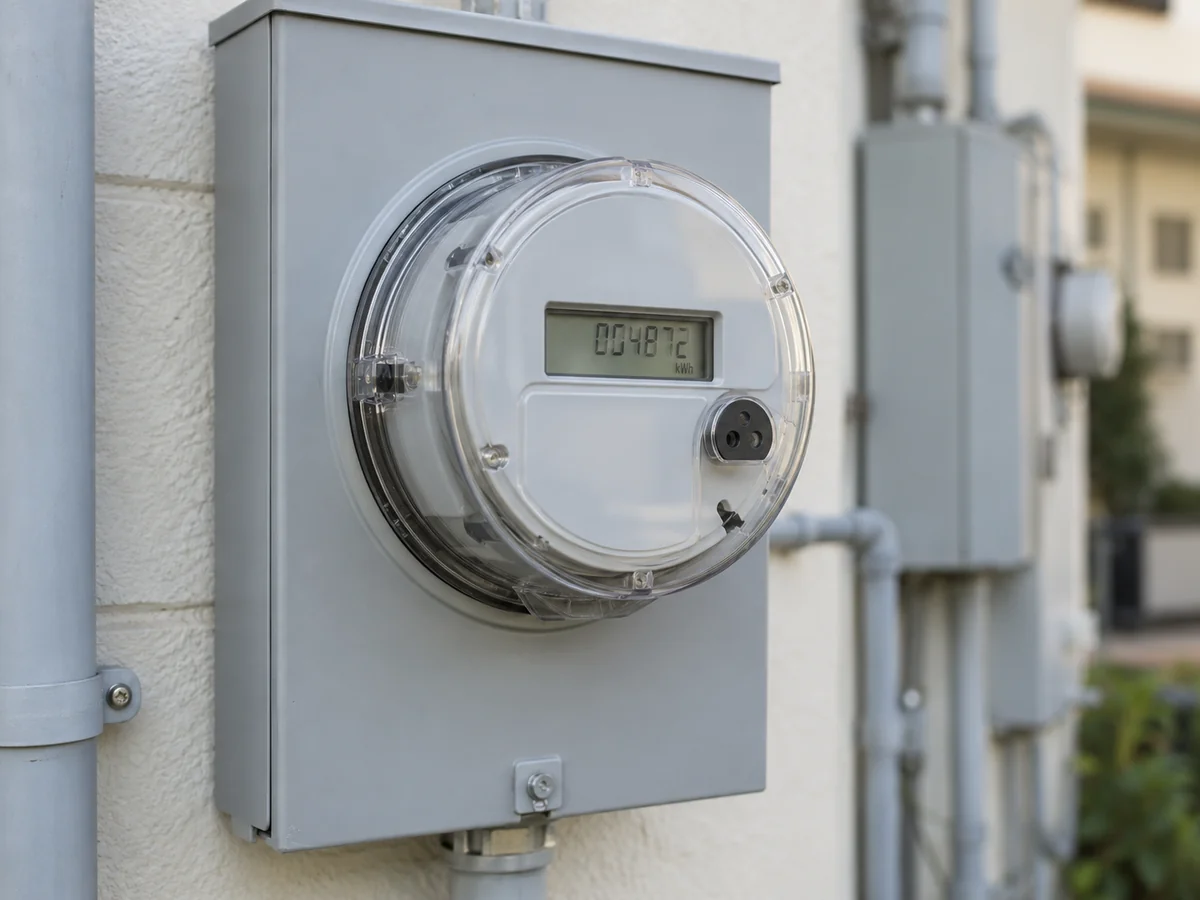
Illustrative scene for Property Utility Consumption and Cost Variance Review

Property Utility Consumption and Cost Variance Review

Separate consumption, billing periods, rate changes and operating conditions before explaining an increase in property energy or water costs.

Read the guide and use the checklist

Illustration.

Illustrative scene for Capital Project Warranty Tracking and Defect Follow-Up

Capital Project Warranty Tracking and Defect Follow-Up

Connect installed assets, warranty documents, maintenance conditions, defect notices and repair acceptance after a property project closes.

Read the guide and use the checklist

Illustration.

Illustrative scene for Property Asset Criticality and Maintenance Priorities

Property Asset Criticality and Maintenance Priorities

Rank property equipment by service consequence, dependencies, condition evidence and recovery options before prioritizing maintenance or replacement.

Read the guide and use the checklist

Illustration.

Illustrative scene for Property Vendor Scope Writing and Procurement Brief

Property Vendor Scope Writing and Procurement Brief

Write a comparable service scope with clear boundaries, quantities, acceptance evidence, exclusions and change rules before asking vendors to price work.

Read the guide and use the checklist

Illustrative scene for Board and Property Management Responsibility Matrix

Board and Property Management Responsibility Matrix

Clarify who prepares, decides, implements and verifies property work using actual authority, management scope and escalation routes.

Read the guide and use the checklist

Illustrative scene for Property Corrective Action and Recurring Problem Review

Property Corrective Action and Recurring Problem Review

Move beyond repeat work orders by defining the problem, checking causes, assigning corrective controls and verifying whether the issue recurs.

Read the guide and use the checklist
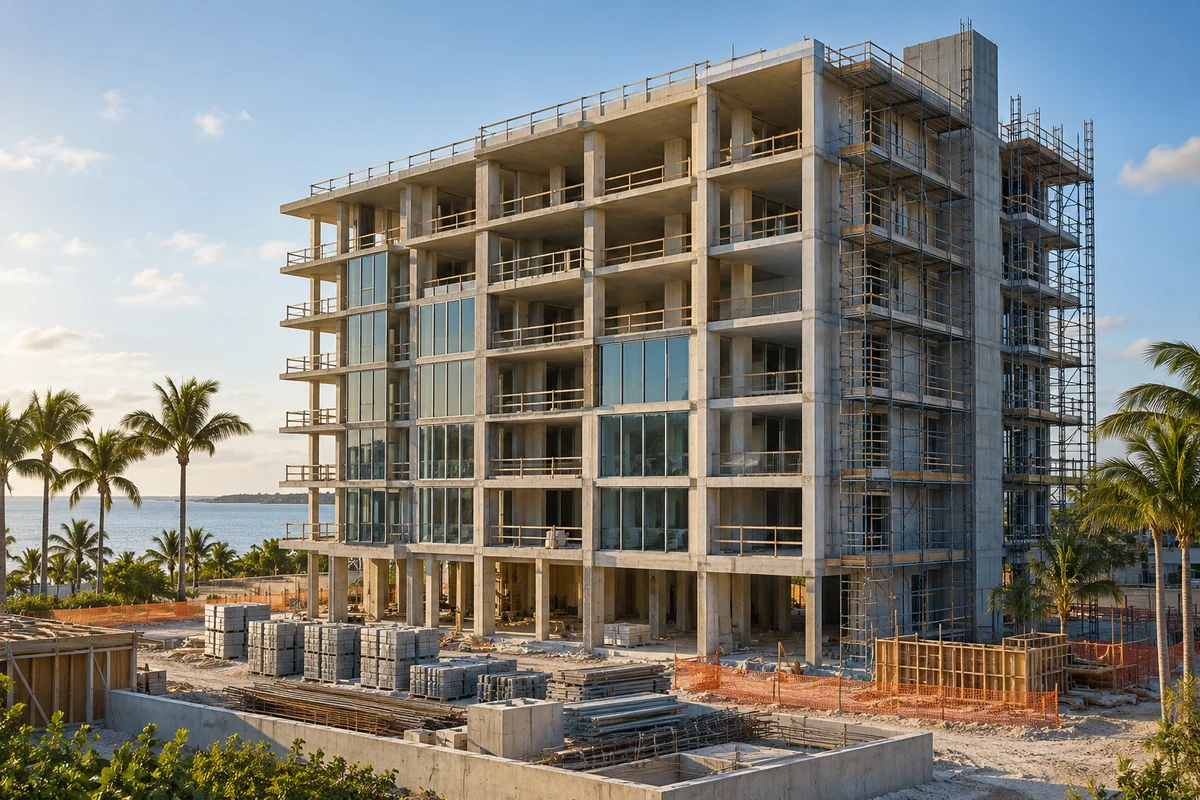
Illustrative scene for Capital Project Resident Access and Disruption Planning

Capital Project Resident Access and Disruption Planning

Coordinate resident access, contractor work zones, temporary service changes and verified project updates before work affects occupied property areas.

Read the guide and use the checklist

Illustration.

Illustrative scene for Property Incident Timeline and After-Action Review

Property Incident Timeline and After-Action Review

Preserve incident facts, compare the planned and actual response, and assign improvements with owners and verification evidence.

Read the guide and use the checklist

Illustrative scene for Property Data Quality Audit and Source Reconciliation

Property Data Quality Audit and Source Reconciliation

Audit the full property dataset for identity, completeness, duplicates, units, dates, source lineage and agreement between published formats.

Read the guide and use the checklist

Illustration.

Need independent help organizing a property decision?

Request a confidential consultation
Choose a starting point

Find the evidence for the decision in front of you.

Follow a review pathway

Start with governance, recurring service failures, budget pressure, a vendor change, a capital commitment, recovery or a disputed metric.

Explore seven decision paths

Search the complete library

Find guidance by keyword and decision area, then open the related checklist or deeper operating guide.

Search all guides

Clarify the language

Look up cash timing, acceptance evidence, notices, denominators and other terms before reviewing a report.

Open the property glossary

Close the gaps between decisions and delivery

Deepen the review with a defined method

Browse all 63 fictional cases

Connect management decisions to their assumptions

Compare equivalent scopes and make responsibilities explicit before requesting a decision.

Scroll horizontally to read all columns.

Decision guide
CriterionWhat to checkPractical implication
Qualify a proposalSeparate included work, exclusions, deliverables, acceptance criteria and the person authorised to approve changes.A low bid with unpriced exclusions is not directly comparable to a complete proposal.
Compare lifecycle costUse the same service period and include acquisition, maintenance, operating costs and replacement assumptions.The cheapest initial purchase can cost more over the chosen period.
Explain a budget varianceState budget, actual, commitments, timing and whether the difference is recurring. Assign a follow-up owner.A favourable month can reflect a delayed invoice rather than an ongoing saving.